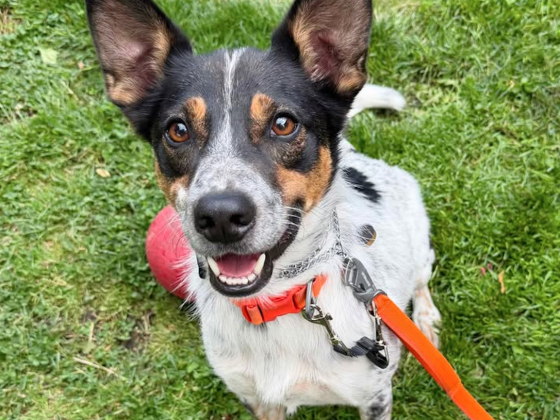
Settling In: Do’s & Don’ts for Bringing Your New Dog Home
The first few days are critical in helping your new dog feel comfortable and safe in their new environment. They might feel scared or overwhelmed. They might not eat or drink like normal. They might shut down and try to hide. Here are our tips for what to do, and more importantly, what NOT to do when bringing your new dog home.
Your New Dog
Settling In: Do’s
- Provide a “shutdown” period by limiting new visitors or adventures. Give them time to get to know their new home, bond with family, and adjust to their new environment and schedule. Your adopted dog may need time to decompress and transition from shelter life to home life.
- Show your new dog around. Show them where to potty, where their water bowl and bed are, and praise them for everything they do that you like.
- Take your dog outside frequently to the designated potty area. If your dog does not go to the bathroom, do not give them full run of your house when you return inside. They may have an accident. Instead, if they do not eliminate outside, keep them on leash in the house or confine them to a safe place that they are comfortable in, then after 15-20 minutes take them back outside. Praise and reward them for going potty outside.
- Reward good behavior with praise, small food treats, toys, and activities your dog enjoys.
- If your dog knows “sit”, have them “sit” for the things they want (doors opening to go outside, waiting for the leash, before you throw the ball, etc). If they do not, just wait for a calm moment when they are standing nicely and not jumping up, etc., and reward the calm behavior before continuing with the activity.
- Use a regular “flat buckle” collar or harness and keep the leash on, even in the house at first. This will aid in moving them off surfaces if they jump up (the couch, the kitchen table, etc), out of the kitchen, or off guests, etc.
- During mealtimes, have them first sit and wait to build impulse control. Once they have begun eating, move away from the dish and do not disturb them. You can also try hand feeding as a great way to bond with your new dog.
- Supervise every interaction with children.
- If the dog is crate trained, use the crate for calm confinement when you cannot supervise or must leave the house. Provide the dog with something to chew on such as a stuffed Kong or other safe dog toy. This will help them learn that the crate is a wonderful place to be. Never force the dog into the crate or use it as a punishment.
- Have them sleep in their crate at night or in a secured area, to prevent unwanted house soiling or chewing. For more advice on crate training, click here.
- Go for long, on-leash walks. Bring along tiny, delicious food treats to reward your dog for polite behaviors (walking on loose lead, paying attention to you, being calm as other dogs or people walk by, etc).
- Want help finding a trainer in the area? Visit our ‘Pet Training & Behavior Resources‘ guide.
- Review the topics in the ‘Dog Behavior Resources’ in our Online Resource Library for more tips!
Settling In: Don’ts
- Don’t allow too much freedom in the home too soon as this may lead to house soiling and other problems. Baby gates and crates are a great way to ease your dog into a new environment. As dogs adjust, you can increase their space and freedom.
- Don’t assume your new dog will have perfect house manners. Prevent unwanted behaviors, such as stealing from the counter tops, by removing tempting food items from the counter when the dog is unattended. Be sure to monitor your dog when they are around food. A trainer can help teach a solid ‘leave-it’ cue.
- Do not allow children to disturb your dog while they are eating or when they have a bone, Kong, or other chew item.
- Don’t allow too much freedom in the backyard right away as digging, unwanted barking, and other destructive behaviors may occur. When your dog is outside, monitor them to make sure they are unable to slip out of any gaps in the fence or able to climb out.
- Don’t overwhelm your dog by having lots of people over right away. Give them time to settle in. When new people do arrive, be ready with your dog on leash or behind a baby gate to prevent unwanted jumping. Be sure to reward for polite behaviors.
- Don’t physically force your dog to perform a behavior as this can be frightening or painful. Use your leash and/or treats to lead or lure them where you need them to go.
- Do not ignore body language. If your dog shows signs of discomfort such as lip licking, yawning, whale eye (seeing the whites of your dog’s eyes), lifting one paw off the ground, etc. while interacting with a person, give them space, stop petting, etc. A trainer can help you identify other signs of stress and what you can do when you see them.
-
Your new dog may still be recovering from spay/neuter surgery. It is important to follow all post-operative instructions and wait at least 10-14 days before bathing. If your dog is showing signs of medical distress within 10 days of adoption, please call SafeHaven’s Medical Department at (541) 928-2789 ext. 117.
Sign up for our newsletter!

SafeHaven Humane Society is a 501(c)3 organization.
Our tax-ID number is 93-0676661 and donations are tax-deductible to the extent allowed by law.
12:00pm – 5:00pm